
Favorite Bathtub Installation Essentials For A Smooth Setup
Get the right products to ensure a hassle-free installation process and a flawless final look.
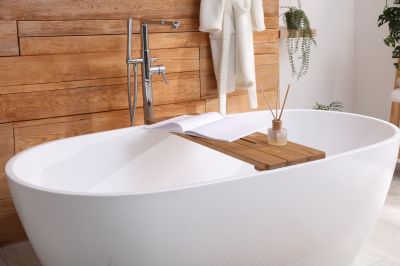 Installing a bathtub involves selecting the right products to ensure a safe, functional, and aesthetically pleasing setup. The process begins with understanding the various components needed for a complete installation, including tubs, surrounds, fixtures, and accessories. Proper planning and choosing quality materials can help prevent issues such as leaks, mold, or structural damage over time. It is also important to consider the space available, plumbing configurations, and personal preferences for style and comfort.
Top Overall Option
A versatile bathtub unit with integrated features
This all-in-one bathtub solution offers a combination of comfort, durability, and ease of installation. Designed to fit a variety of bathroom layouts, it includes built-in support features, durable surfaces, and compatibility with common plumbing configurations. Ideal for those seeking a reliable and straightforward installation experience.
Types of Products For Bathtub Installations
Acrylic Bathtubs
Lightweight and easy to maintain, acrylic tubs are popular for their versatility and smooth finish.
Cast Iron Bathtubs
Known for durability and heat retention, cast iron tubs offer a classic look and long-lasting performance.
Fiberglass Bathtubs
Affordable and simple to install, fiberglass tubs are a common choice for budget-conscious projects.
Corner Bathtubs
Designed to maximize space, corner tubs fit into bathroom corners and often feature additional seating or jets.
Drop-In Bathtubs
These tubs are installed into a pre-built deck or surround, offering a seamless look.
Undermount Bathtubs
Mounted beneath a countertop or surround, providing a sleek and modern appearance.
Whirlpool and Jetted Tubs
Equipped with jets for hydrotherapy, these tubs enhance relaxation and therapeutic benefits.
Walk-In Bathtubs
Designed for accessibility, these tubs feature doors for easy entry and exit.
Clawfoot Tubs
Vintage-style freestanding tubs that add character and charm to traditional bathrooms.
Shower Bathtub Combos
Dual-purpose units that combine bathing and showering functions in one space.
Alcove Bathtubs
Standard in many bathrooms, these fit into three-wall alcoves for efficient use of space.
Freestanding Tubs
Independent units that serve as focal points and can be placed anywhere in the bathroom.
Soaking Tubs
Designed for full immersion, these tubs are deeper for enhanced comfort.
Tub Surrounds and Shields
Protective panels and enclosures that prevent water damage and mold growth.
Bathtub Faucets and Fixtures
Various styles and functionalities to complement your tub and enhance usability.
Drain Assemblies and Traps
Essential plumbing components for proper water drainage and leak prevention.
Non-slip Mats and Safety Accessories
Safety features to reduce the risk of slips and falls during bath time.
Bathtub Insulation Kits
Help maintain water temperature and improve energy efficiency.
Popular Choices
Widely used for their lightweight nature and ease of maintenance, acrylic tubs are common in many installations.
Popular for maximizing space, corner units are frequently selected in smaller bathrooms.
Chosen for their seamless appearance, these tubs are often favored in modern bathroom designs.
Their aesthetic appeal and flexibility in placement make freestanding tubs a trending choice.
Increasingly popular for relaxation and therapeutic benefits, these tubs feature built-in jets.
Vintage-inspired and stylish, clawfoot tubs continue to be a favorite for traditional bathroom decor.
Designed for accessibility, walk-in tubs are gaining popularity among those seeking safer bathing options.
Versatile and space-efficient, alcove tubs remain a common choice for standard bathroom layouts.
Offering both functions in one unit, these combos are frequently selected for multi-use bathrooms.
Affordable and easy to install, fiberglass remains a popular option for many homeowners.
Protective panels are commonly used to enhance durability and ease of maintenance.
Variety in styles and finishes makes these fixtures a popular upgrade for aesthetic and functional purposes.
When selecting products for a bathtub installation, durability and compatibility are key factors. Materials such as acrylic, cast iron, or fiberglass are common choices, each offering different benefits in terms of weight, maintenance, and heat retention. Additionally, accessories like grab bars, non-slip mats, and shower curtains or enclosures can enhance safety and usability. For installations in bathrooms with limited space, compact or corner units may be preferable, while larger bathrooms might accommodate more spacious designs.
Professional installation can ensure that all components are correctly fitted and that plumbing connections are secure. However, many homeowners opt for DIY approaches with the right tools and guidance. Regardless of the method, selecting the appropriate products tailored to your specific needs and bathroom layout is crucial for a successful renovation or upgrade. Careful consideration of product features and compatibility can contribute to a long-lasting and enjoyable bathing experience.
From choosing the right bathtub to selecting complementary fixtures and safety accessories, each element plays a role in creating a functional and comfortable bathing area. Whether updating an existing setup or installing a new tub in a remodel, understanding the available product options can help you make informed decisions. This comprehensive approach ensures that your bathroom remains both practical and visually appealing for years to come.
Key Buying Considerations
- Material durability and maintenance requirements
- Size and space compatibility with your bathroom layout
- Style and aesthetic preferences to match existing decor
- Ease of installation, whether DIY or professional
- Plumbing compatibility and connection types
- Safety features such as non-slip surfaces and grab bars
- Additional functionalities like jets or built-in seating
- Weight of the tub and floor support requirements
- Drain and overflow configurations
- Cost and budget constraints
- Availability of warranties or manufacturer support
- Ease of cleaning and long-term upkeep
- Compatibility with existing plumbing fixtures
- Energy efficiency considerations for heated tubs
- Resale value impact and overall bathroom design harmony